Science Glossary
Science Glossary
This glossary contains basic science terms. It will help you when you read or listen something about science and you will not understand the meaning of certain words and terms.
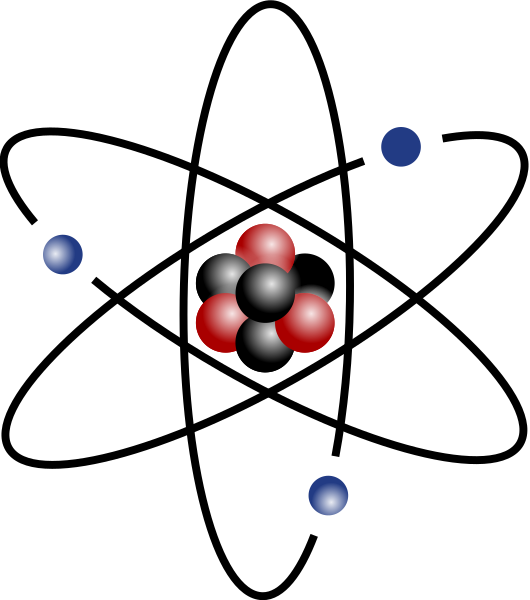
- atom
- noun
- The basic unit of a chemical element.
- Example: The water molecule, H 2 O, has two hydrogen atoms attached to the big oxygen atom at angles that discourage the formation of equilateral triangles.
- en: atome
- burette
- noun
- A graduated glass tube with a small aperture and stopcock for delivering measured quantities of liquid or for measuring the liquid or gas received or discharged.
- Example: Method 180.0 cm 3 of benzyl alcohol solution (2.33 x 10 -3 mol dm -3 benzyl alcohol, 0.68 mol dm -3 sulphuric acid, 20% acetic acid, with dilution factor 180 200), was dispensed from a burette into a 500 cm 3 conical flask. 20.0 cm 3 of potassium permanganate (4.06 x 10 -3 mol dm -3 ) solution was pipetted into a separate conical flask.
- en: burette

- electricity
- noun
- A form of energy resulting from the existence of charged particles (such as electrons or protons), either statically as an accumulation of charge or dynamically as a current.
- Example: In residential buildings, solar energy has been utilized for space heating and domestic hot water using active solar collector systems and for generating electricity using photovoltaic (PV) systems.
- en: électricité

- energy
- noun
- Power derived from the utilization of physical or chemical resources, especially to provide light and heat or to work machines.
- Example: He interpreted this idea; that electric oscillators in the atom could only absorb and emit discrete packets of energy of certain sizes later called 'quanta' and was given by the equation; the radiation emitted by a blackbody (which is an idealised object that perfectly absorbs and emits all radiation that strikes it's surface) That is; the entropy or the disorder of a closed system must always increase.
- en: énergie

- experiment
- noun
- A scientific procedure undertaken to make a discovery, test a hypothesis, or demonstrate a known fact.
- Example: An experiment with Euglena showed that when chemicals or a lack of light killed the mitochondria they didn't regenerate proving that they must exist before new ones can be made.
- en: expérience

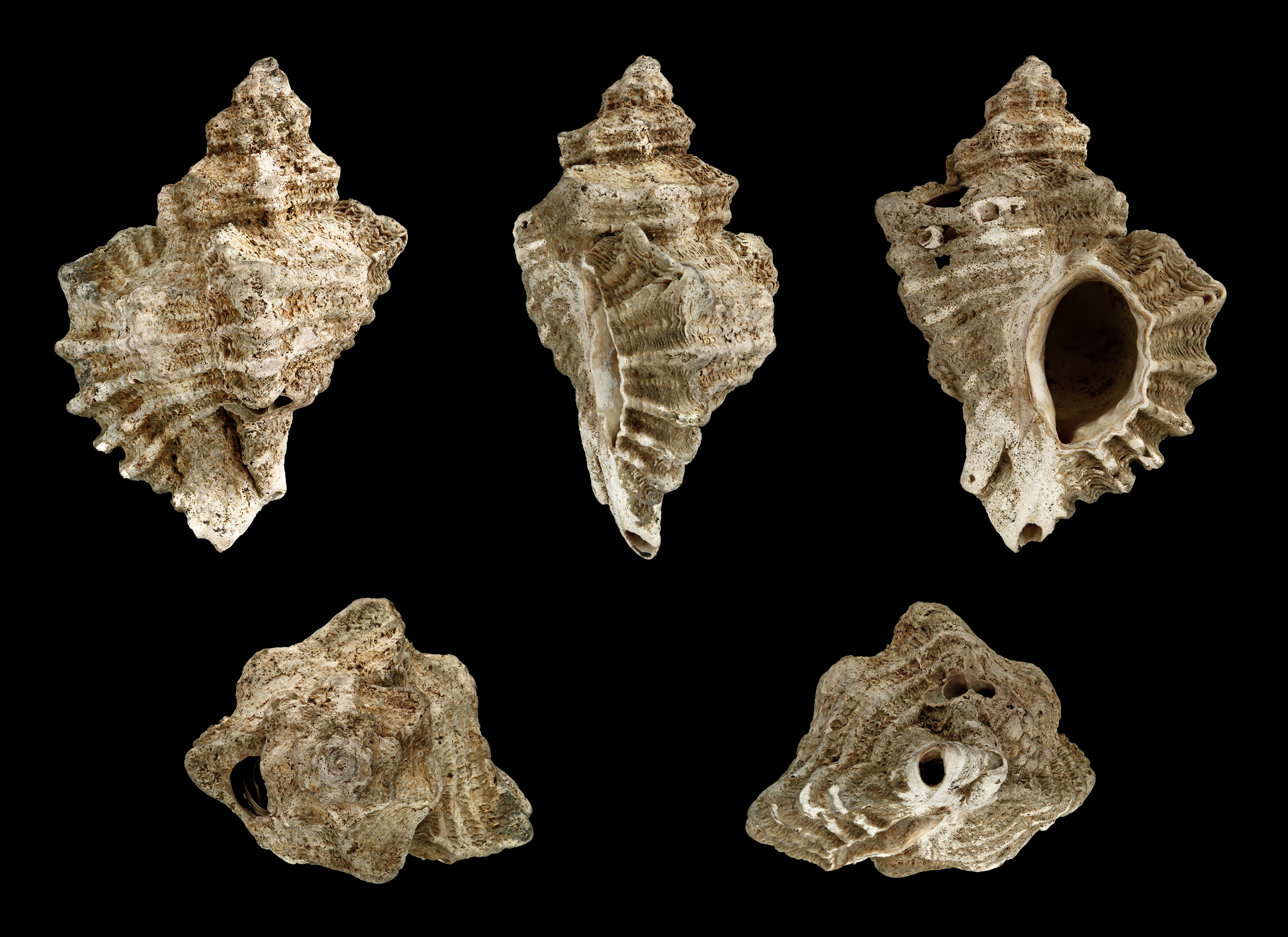
- fossil
- noun
- The remains or impression of a prehistoric organism preserved in petrified form or as a mold or cast in rock.
- Example: Sediments containing fossil pollen have been taken from peat bogs, lake beds, alluvial deposits, ocean bottoms and ice cores.
- en: fossile
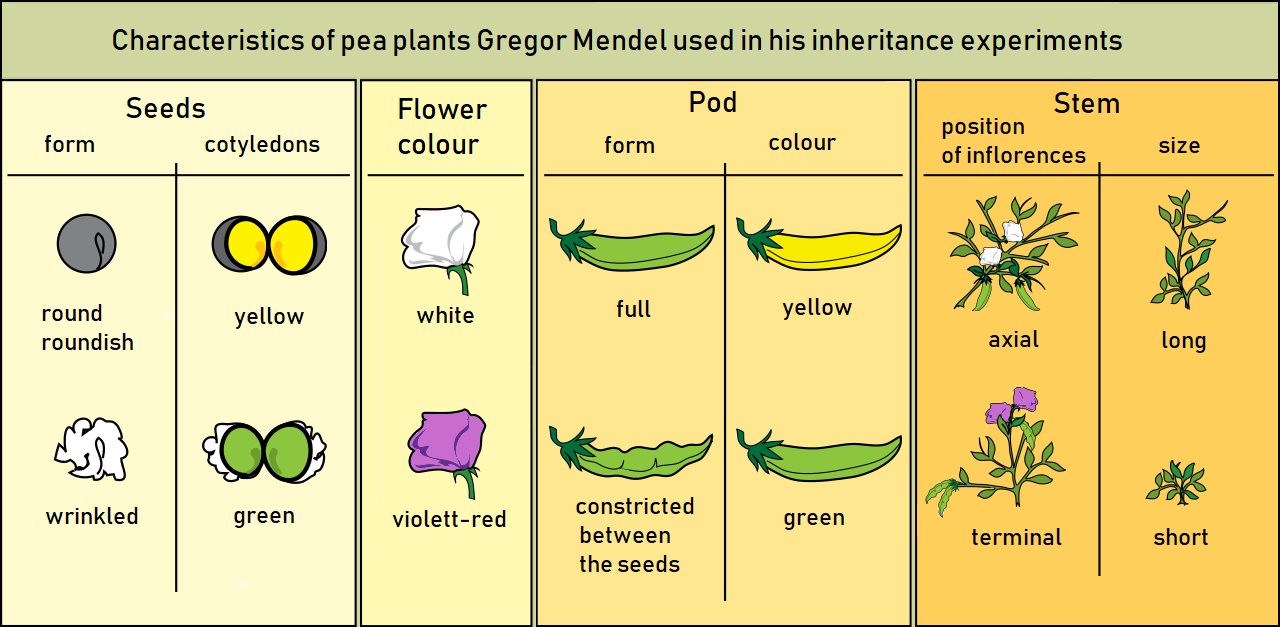
- genetics
- noun
- The study of heredity and the variation of inherited characteristics.
- Example: This diagnostic criteria which distinguishes anxiety disorder sub-types is now considered necessary as in opposition to Freud's theory of 'universal mechanisms', recent research looking at biochemical imbalances and genetics have found that different sub-types can have "different natural histories, epidemiologies, and, especially, pharmacological and psychotherapeutic treatments".
- en: génétique
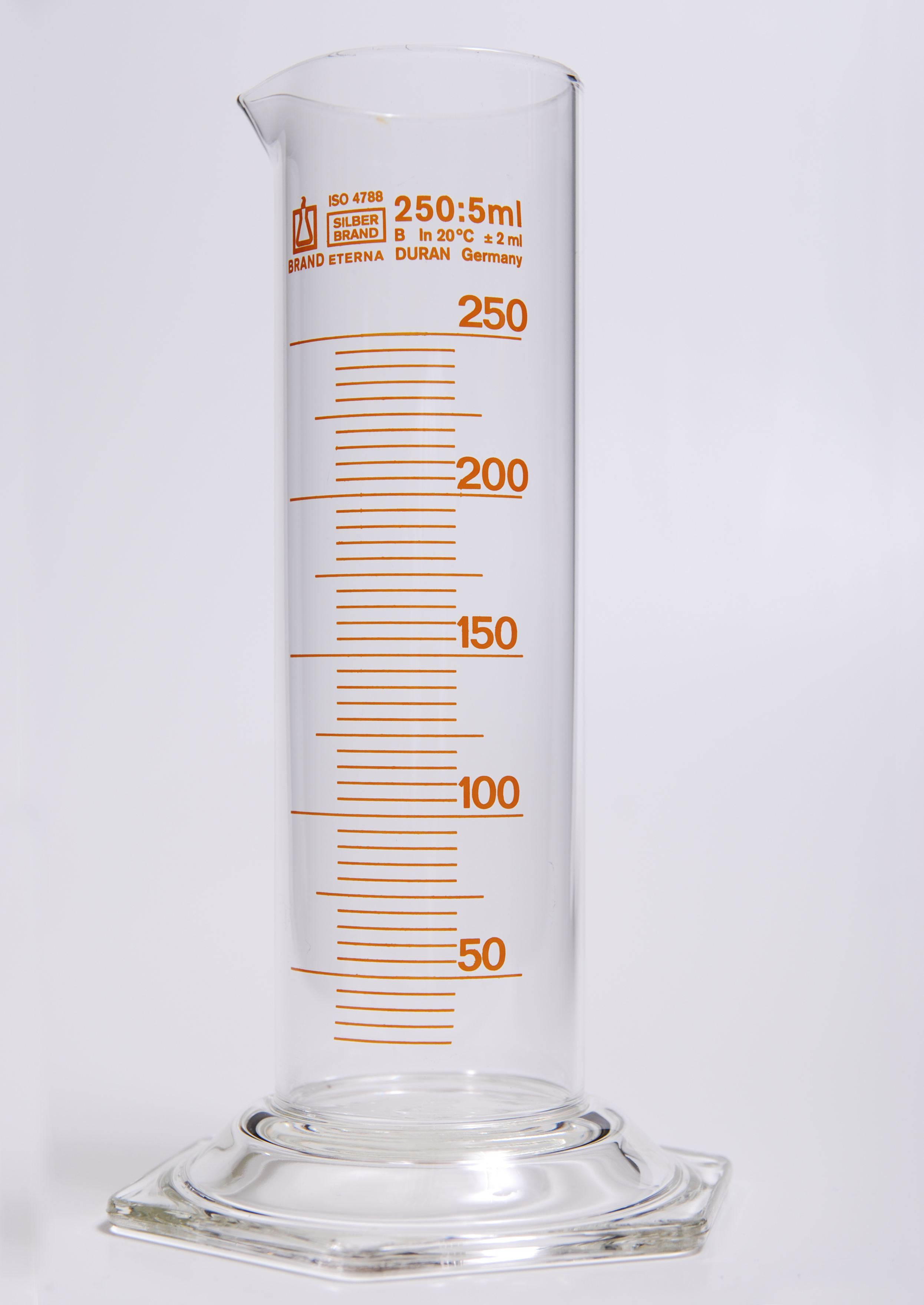
- graduated cylinder
- noun
- A narrow, cylindrical container marked with horizontal lines to represent units of measurement and used to precisely measure the volume of liquids.
- Example: Flies were dropped into a 500-ml graduated cylinder whose inside wall was covered with paraffin oil. The host then pours the contents of the glass into a graduated cylinder to show the employee how many ounces his or her drink actually contains.
- en: cylindre gradué
- gravity
- noun
- The force that attracts a body toward the center of the earth, or toward any other physical body having mass.
- Example: This means that the string theory may provide the answer to the graviton and ultimately the holy grail of the Grand Unified Theory in which all forces (gravity, Electromagnetic and the weak and strong nuclear forces) are linked together.
- en: gravité

- hypothesis
- noun
- A supposition or proposed explanation made on the basis of limited evidence as a starting point for further investigation.
- Example: Professional astronomers attacked him for popularizing an unconfirmed hypothesis.
- en: hypothèse

- laboratory
- noun
- A room or building equipped for scientific experiments, research, or teaching, or for the manufacture of drugs or chemicals.
- Example: Flakes of paint are often sent into an analytical laboratory for examination as these are a common evidence type found at a scene, so can therefore provide valuable evidence to help link an individual to a crime, and because dried paint is partially crystalline with the pigments and extenders being crystalline and the matrix they are held within being non-crystalline XRD can be used to help analyse them.
- en: laboratoire

- magnetism
- noun
- A physical phenomenon produced by the motion of electric charge, resulting in attractive and repulsive forces between objects.
- Example: Some of the principal phenomena of magnetism may be demonstrated with very little apparatus; much may be done with a small bar-magnet, a pocket compass and a few ounces of iron filings.
- en: magnétisme

- molecule
- noun
- A group of atoms bonded together, representing the smallest fundamental unit of a chemical compound that can take part in a chemical reaction.
- Example: These reactions generate an estimated 28 additional ATP molecules per glucose molecule, outstripping the yield of anaerobic ATP by far.
- en: molécule

- physics
- noun
- The branch of science concerned with the nature and properties of matter and energy. The subject matter of physics, distinguished from that of chemistry and biology, includes mechanics, heat, light and other radiation, sound, electricity, magnetism, and the structure of atoms.
- Example: A free body diagram of each link is produced by applying Newton's Second Law of physics to identify the forces and torques acting on the link.
- en: physique
- pipette
- noun
- A small piece of apparatus which typically consists of a narrow tube into which fluid is drawn by suction (as for dispensing or measurement) and retained by closing the upper end.
- Example: The apparatus also induces error; the dilution method using standard flask has an error of ± 0.5 ml, the volumetric pipette has an error of ± 0.2ml, (which must be multiplied by 2 since it is used twice) and the burette has an error of ± 0.2 ml.
- en: pipette

- research
- noun
- The systematic investigation into and study of materials and sources in order to establish facts and reach new conclusions.
- Example: In 1898, a previous associate of Thomson began research into radioactivity, this was a New Zealander called Ernest Rutherford.
- en: recherche
- temperature
- noun
- The degree or intensity of heat present in a substance or object, especially as expressed according to a comparative scale and shown by a thermometer or perceived by touch.
- Example: With regard to the high temperatures involved it was found that all had a temperature sensor and thermal cut out on the walls of heating areas with the exception of the Small Breville.
- en: température
- thermometer
- noun
- An instrument for measuring and indicating temperature, typically one consisting of a narrow, hermetically sealed glass tube marked with graduations and having at one end a bulb containing mercury or alcohol that expands and contracts in the tube with heating and cooling.
- Example: Although meniscus is very common in modern science, i.e. mercury in a thermometer, the complexity of some liquids and their distinct properties begs the question of why it forms on some liquids and not on others.
- en: thermomètre

- volume
- noun
- The amount of space that a substance or object occupies, or that is enclosed within a container, especially when great.
- Example: Merkle entitled "Nanotechnology: It's a Small, Small, Small, Small World" describes how nanotechnology will enable logic elements to be constructed from just a few atoms, memory storage devices that could hold more than a hundred billion billion bytes will take only the volume of a sugar cube.
- en: volume

- weigh
- verb
- Find out how heavy (someone or something) is, typically using scales.
- Example: Potassium hydrogenphthalate: The following reaction occurs when sodium hydroxide is added to potassium hydrogenphthalate: Method: Accurately weigh out between 1.8 and 2.2g of solid potassium hydrogenphthalate into a tared weighing boat.
- en: peser
